
Clean water is essential for healthy communities, agriculture, and the environment. A turbidity tube is a simple yet effective tool used to measure how clear or cloudy water is. It helps users estimate turbidity by checking how suspended particles affect water visibility. Because it is portable, affordable, and easy to use, this instrument is widely used by environmental agencies, schools, researchers, and community water projects.
Many people search online for details such as age, family, height, net worth, or social media. However, a turbidity tube is a scientific instrument rather than a person, so those details do not apply. This guide explains everything you need to know about its purpose, design, uses, advantages, and maintenance.
What Is a Turbidity Tube?
A turbidity tube is a clear plastic tube designed to estimate the cloudiness of water. Water becomes cloudy when tiny particles like soil, clay, algae, or organic matter remain suspended instead of settling. These particles scatter light, making the water appear less clear.
The bottom of the tube contains a black-and-white Secchi pattern. Water is poured into the tube while the user looks down from the top. When the pattern is no longer visible, the measurement marked on the side of the tube indicates the approximate turbidity level.
Its simple design allows people to test water quality quickly without using electricity or expensive laboratory equipment.
Why Water Clarity Is Important
Clear water is often a sign of better water quality, although it does not guarantee that water is safe to drink. High turbidity can reduce sunlight penetration, affecting aquatic plants and animals. It may also indicate erosion, pollution, or runoff after heavy rainfall.
Suspended particles can protect harmful microorganisms from disinfection during water treatment. For this reason, monitoring turbidity is an important part of managing drinking water supplies and protecting natural waterways.
Regular testing helps identify changes over time and supports better environmental decision-making.
How It Works
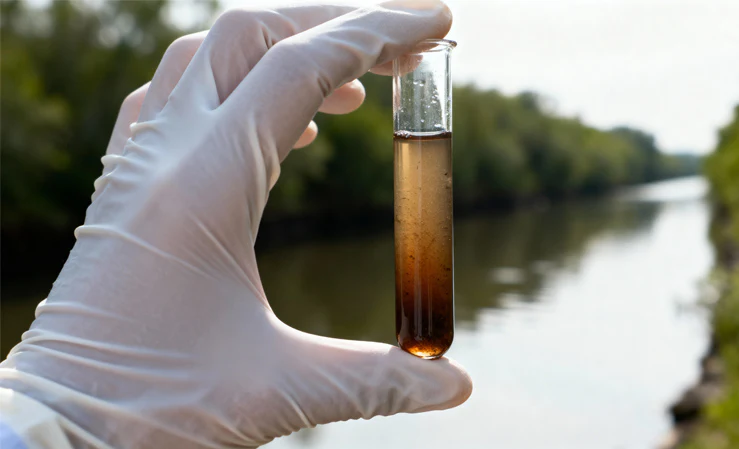
Using this instrument is straightforward. A water sample is collected from a river, lake, pond, or other source and slowly poured into the tube. The user looks directly down toward the viewing target at the bottom.
As the tube fills, suspended particles reduce visibility. Once the target disappears from sight, the user reads the measurement printed on the tube. This reading provides an estimate of the water’s clarity.
Although it is less precise than electronic instruments, the method offers reliable field results for routine monitoring.
Common Uses
This testing method is popular in many different fields. Environmental organizations use it to monitor rivers and streams, while schools include it in science education to teach students about water quality.
Farmers use it to check irrigation ponds and livestock water sources. Conservation groups monitor lakes and wetlands, and community water programs rely on it because it is inexpensive and easy to transport.
Its flexibility makes it suitable for both professional surveys and educational activities.
Advantages
One of the greatest strengths of this tool is its affordability. It costs much less than electronic turbidimeters while still providing useful information about water clarity.
It is lightweight, portable, and requires no batteries or electricity, making it ideal for fieldwork in remote areas. The testing process is easy to learn, allowing students, volunteers, and professionals to obtain consistent results with minimal training.
Its simple construction also means there are very few maintenance requirements, making it a dependable choice for long-term use.
Limitations
Despite its usefulness, there are some limitations. Readings can vary depending on lighting conditions and the eyesight of the person performing the test. Because of this, different users may obtain slightly different results.
Electronic turbidimeters provide much more accurate measurements and are preferred when precise laboratory data or regulatory compliance is required. Very clear water can also be difficult to measure accurately because the viewing target may remain visible throughout the tube.
For routine field monitoring, however, this method remains a practical and trusted option.
Maintenance and Care
Proper maintenance helps ensure accurate readings over time. After each use, the tube should be rinsed thoroughly with clean water to remove sediment and organic material. The viewing target should remain clean and clearly visible.
Avoid scratching the transparent surface because marks can interfere with visibility during testing. Store the instrument in a clean, dry place away from prolonged direct sunlight to help preserve the plastic.
With simple care, it can remain reliable for many years.
Conclusion
A turbidity tube is one of the easiest and most affordable tools for checking water clarity in the field. Its simple design, portability, and ease of use have made it popular among scientists, educators, farmers, and environmental organizations worldwide.
Although it cannot match the accuracy of electronic laboratory equipment, it provides dependable estimates that support water quality monitoring and environmental protection. While searches often ask for details such as age, family, height, physical appearance, net worth, and social media, these do not apply because it is a scientific instrument. Its real value lies in helping people monitor and protect one of our most important natural resources—clean water.
FAQs
Q: What is a turbidity tube?
A: A turbidity tube is a simple tool used to measure the clarity or cloudiness of water in the field.
Q: How does a turbidity tube work?
A: A turbidity tube works by showing when a black-and-white target at the bottom disappears as cloudy water is added.
Q: Where is a turbidity tube commonly used?
A: A turbidity tube is commonly used in rivers, lakes, ponds, schools, farms, and environmental monitoring projects.
Q: Is a turbidity tube accurate for water testing?
A: A turbidity tube provides reliable field estimates, but laboratory turbidimeters offer more precise measurements.
Q: Why is a turbidity tube important?
A: A turbidity tube helps monitor water quality, detect changes in clarity, and support environmental protection efforts.
