
The melting temperature of PVC is an important topic for manufacturers, engineers, students, and anyone who works with plastic materials. PVC is one of the most widely used plastics because it is affordable, durable, and suitable for thousands of applications. However, unlike many other thermoplastics, PVC does not have a single melting point. Instead, it softens gradually and begins to decompose before it fully melts.
Understanding the melting temperature of PVC is essential for safe manufacturing and proper material selection. Whether PVC is used for construction, electrical systems, or medical products, controlling temperature ensures better performance, longer service life, and improved product quality.
What Is PVC?
PVC stands for Polyvinyl Chloride, a synthetic plastic polymer first developed in the early twentieth century. Today, it is one of the most commonly produced plastics worldwide because it combines strength, affordability, and chemical resistance.
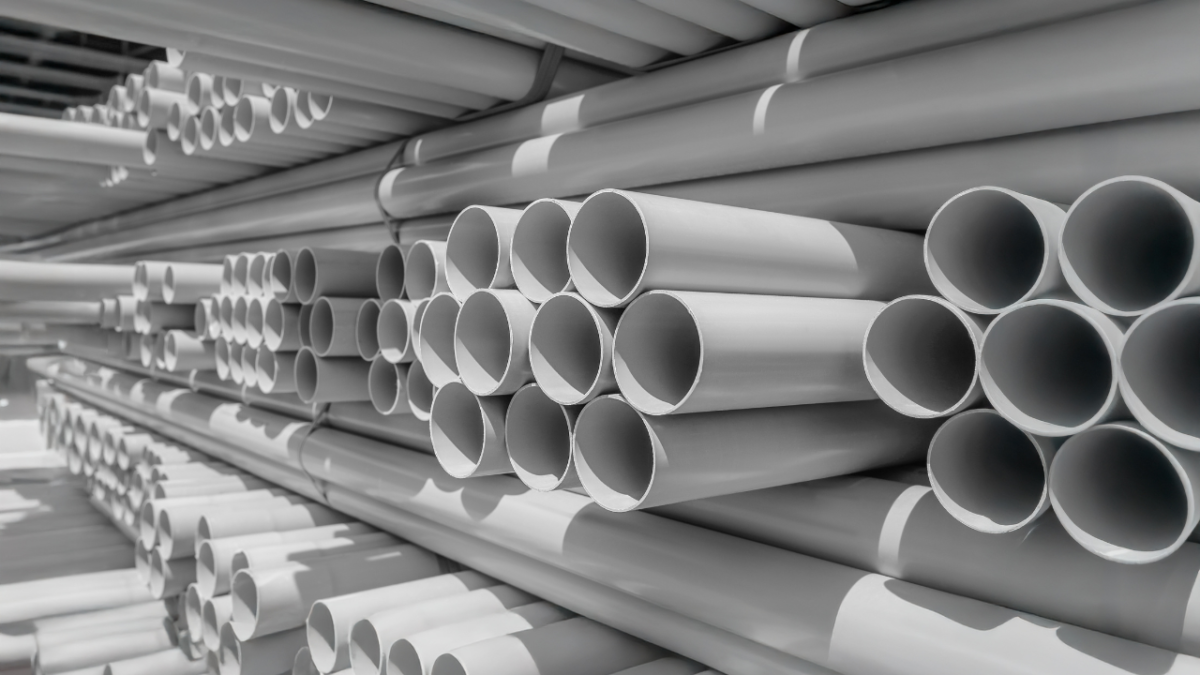
PVC is found in water pipes, window frames, flooring, roofing sheets, electrical cable insulation, medical tubing, packaging materials, and many household products. Manufacturers can also modify its properties by adding plasticizers, stabilizers, and other additives. These modifications allow PVC to become either rigid or flexible depending on its intended application.
Its ability to resist moisture, corrosion, and many chemicals makes PVC an excellent material for both indoor and outdoor use.
Understanding the Melting Temperature of PVC
The melting temperature of PVC differs from that of plastics like polyethylene and polypropylene. Those plastics melt into a liquid at a defined temperature, while PVC starts breaking down before reaching a true molten state.
Rigid PVC usually begins softening between 80°C and 90°C (176°F–194°F). During industrial manufacturing, PVC is commonly processed between 160°C and 210°C (320°F–410°F). Within this range, the material becomes soft enough to shape without causing significant degradation.
If the temperature exceeds the recommended processing range, thermal decomposition begins. Because of this, engineers usually refer to PVC’s processing temperature instead of a traditional melting point.
Why PVC Does Not Melt Like Other Plastics
The chemical structure of PVC explains why the melting temperature of PVC behaves differently. The polymer contains chlorine atoms attached to its molecular chain. These chlorine atoms improve flame resistance and durability but also make PVC sensitive to excessive heat.
As heating continues, hydrogen chloride gas starts to separate from the polymer before complete melting occurs. This process, known as thermal degradation, causes discoloration, reduced strength, and loss of material quality.
To prevent decomposition, manufacturers carefully monitor temperature throughout production. Modern processing equipment includes precise heating controls that maintain stable operating conditions.
Melting Temperature of PVC – Quick Bio Table
| Property | Details |
|---|---|
| Material Name | Polyvinyl Chloride (PVC) |
| Common Name | PVC |
| Category | Thermoplastic Polymer |
| Chemical Formula | (C₂H₃Cl)ₙ |
| Appearance | White solid powder (raw), available in rigid or flexible forms |
| Softening Temperature | 80–90°C (176–194°F) |
| Processing Temperature | 160–210°C (320–410°F) |
| True Melting Point | No single melting point (decomposes before fully melting) |
| Density | 1.30–1.45 g/cm³ |
| Main Uses | Pipes, cable insulation, flooring, window frames, medical tubing |
| Heat Resistance | Moderate |
| Recycling Code | #3 (PVC) |
| Chemical Resistance | Excellent against many acids and chemicals |
| First Discovered | 1872 |
| Commercial Production | 1926 |
| Manufacturer | Produced by many global chemical companies |
Factors That Affect Heat Performance
Several factors influence the melting temperature of PVC during manufacturing and practical use. One important factor is the type of PVC being processed. Rigid PVC behaves differently from flexible PVC because flexible grades contain plasticizers that change the material’s properties.
Heat stabilizers also play a major role. These additives protect PVC during processing by slowing thermal degradation. Without stabilizers, PVC would begin breaking down much earlier during heating.
Heating time is another important consideration. Even when the correct processing temperature is maintained, exposing PVC to heat for too long can gradually damage the polymer structure.
How PVC Is Manufactured
Manufacturers carefully control the melting temperature of PVC throughout production. Instead of completely melting the material, they heat it until it becomes soft enough for shaping while avoiding decomposition.
Processes such as extrusion, injection molding, calendaring, and thermoforming all rely on precise temperature control. Modern machinery continuously measures heat levels to produce consistent, high-quality products.
This careful manufacturing process allows PVC to be transformed into pipes, cable insulation, flooring materials, medical equipment, window profiles, and numerous industrial products used around the world.
Rigid PVC and Flexible PVC
The melting temperature of PVC can vary slightly depending on the formulation. Rigid PVC, also called uPVC, is widely used in construction for pipes, doors, windows, and structural applications because it provides excellent strength and weather resistance.
Flexible PVC contains plasticizers that make the material softer and easier to bend. It is commonly used for electrical cables, medical tubing, garden hoses, flooring, protective coverings, and inflatable products.
Although both types share the same base polymer, their additives influence how they respond to heat during manufacturing and everyday use.
Applications of PVC
PVC remains one of the world’s most useful engineering plastics because it performs well in demanding environments. The melting temperature of PVC is carefully considered when producing products that require long-term durability.
Construction companies depend on PVC for plumbing systems, drainage pipes, roofing materials, siding, and window frames because it resists moisture and corrosion. Electricians use PVC insulation to protect electrical wiring from heat, moisture, and physical damage.
The healthcare industry also relies on specially formulated PVC for blood bags, IV tubing, oxygen masks, and medical containers. PVC is equally common in flooring, packaging, automotive interiors, credit cards, and many everyday household products.
Safety When Heating PVC
Understanding the melting temperature of PVC is important for workplace safety. Heating PVC beyond recommended limits can release hydrogen chloride gas, which may be harmful without proper ventilation.
Industrial facilities use advanced ventilation systems, temperature controls, and heat stabilizers to reduce these risks. Workers handling heated PVC should always follow manufacturer guidelines and use suitable protective equipment when required.
Maintaining correct processing temperatures improves both worker safety and product quality while extending the service life of finished products.
Conclusion
The melting temperature of PVC is not a single fixed value because the material begins to decompose before completely melting. Most PVC products soften around 80°C to 90°C, while industrial processing usually takes place between 160°C and 210°C under carefully controlled conditions. This unique behavior makes temperature management essential during manufacturing.
As new stabilizers and production technologies continue to improve, PVC remains one of the most dependable plastics available. Its combination of durability, affordability, chemical resistance, and versatility ensures that it will continue to play a major role in construction, healthcare, electrical systems, and manufacturing for many years to come. Understanding the melting temperature of PVC helps manufacturers, engineers, and consumers use this valuable material safely and effectively.
