
Fire protection is essential in every modern building, especially where valuable equipment and critical operations are involved. A Honeywell aspiration system is an advanced fire detection solution that identifies smoke at a very early stage by continuously sampling air from the protected area. Unlike traditional smoke detectors that wait for smoke to reach the sensor, this technology actively analyzes air for tiny smoke particles before a fire becomes serious.
Designed for high-risk environments, the Honeywell aspiration system helps organizations reduce fire damage, protect expensive assets, and improve overall safety. It is commonly installed in data centers, hospitals, museums, airports, manufacturing plants, and other facilities where early warning is essential.
Introduction
Traditional smoke detectors are suitable for many buildings, but they may respond slowly in large spaces, high ceilings, or areas with strong airflow. Honeywell developed aspirating smoke detection technology to solve these challenges by providing faster and more accurate smoke detection.
The system continuously draws air through a network of sampling pipes and analyzes it using a highly sensitive laser detector. This allows smoke to be detected long before it becomes visible, giving occupants and emergency teams valuable extra time to respond.
What Is a Honeywell Aspiration System?
A Honeywell aspiration system is an intelligent smoke detection system that actively collects air samples through small pipes installed throughout a protected area. These air samples are sent to a central detector, where advanced optical sensors identify even the smallest smoke particles.
Unlike standard smoke detectors that rely on smoke naturally reaching the sensor, this system continuously monitors air quality. Because of its high sensitivity, it can detect the earliest signs of fire, making it ideal for locations where equipment, valuable assets, or uninterrupted operations require maximum protection.
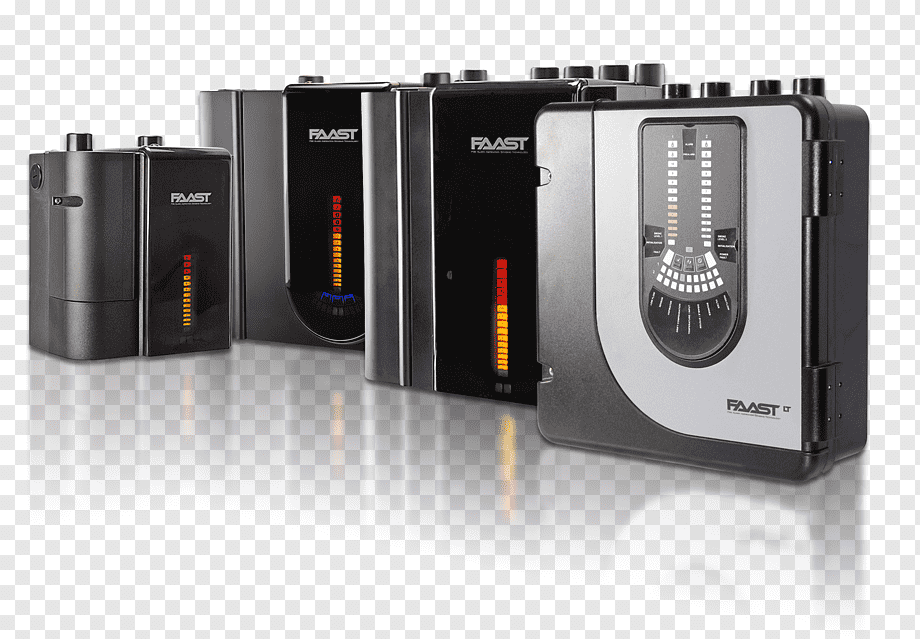
Honeywell offers aspirating smoke detection through well-known product families such as VESDA and FAAST, both widely used in commercial and industrial fire protection.
How It Works
The system operates by drawing air through a specially designed pipe network using an internal aspirator fan. Small sampling holes placed throughout the building collect air from multiple locations.
Before entering the detection chamber, the air passes through filters that remove dust and other contaminants. Inside the detector, laser technology analyzes the air for microscopic smoke particles.
If smoke is detected, the system activates multiple alarm levels depending on the concentration. Early warning alerts allow building managers to investigate the situation before it develops into a larger fire, while higher alarm levels can activate evacuation procedures or fire suppression systems.
Main Features
One of the biggest advantages of the Honeywell aspiration system is its ability to detect smoke much earlier than conventional detectors. Continuous air sampling provides constant monitoring, while intelligent airflow supervision ensures the pipe network is operating correctly.
Modern systems also include advanced filtering, multiple alarm thresholds, remote monitoring, event logging, and easy integration with fire alarm control panels. These features improve reliability while reducing unnecessary false alarms.
Benefits
The greatest benefit of this technology is early fire detection. Identifying smoke during the initial stages gives emergency teams more time to respond, reducing property damage and protecting building occupants.
Businesses also benefit from reduced downtime because valuable equipment can often be protected before serious fire damage occurs. Advanced filtering technology helps minimize false alarms, making the system dependable even in environments with dust or changing airflow.
Another important advantage is centralized monitoring. Large facilities can protect wide areas using one detector connected to multiple sampling points, simplifying maintenance while providing consistent protection.
Applications
A Honeywell aspiration system is widely used in facilities where early smoke detection is critical. Data centers rely on it to protect servers and networking equipment from electrical fires. Hospitals use it to safeguard operating rooms, laboratories, and medical equipment.
Museums, libraries, and archives depend on aspirating detection to protect priceless collections. Manufacturing plants, warehouses, airports, telecommunications facilities, clean rooms, power stations, and commercial buildings also benefit from its fast response and reliable performance.
These systems perform particularly well in locations with high ceilings, strong ventilation, dusty environments, or areas where conventional detectors may not provide sufficient coverage.
Installation and Maintenance
Successful performance depends on proper system design and professional installation. Engineers calculate pipe layouts, airflow balance, and detector sensitivity according to the building’s requirements.
Routine maintenance includes inspecting sampling pipes, replacing filters, verifying airflow, and testing alarm functions. Regular servicing ensures the detector continues to provide accurate and dependable smoke detection throughout its operating life.
Comparison with Traditional Smoke Detectors
Conventional smoke detectors depend on smoke naturally reaching the sensing chamber, which can delay detection in large or ventilated spaces. In contrast, aspirating systems actively collect air from multiple locations, allowing much earlier identification of developing fire conditions.
Although installation costs are generally higher, many organizations choose this technology because it offers greater protection for valuable equipment, minimizes business interruption, and provides increased confidence in fire safety.
Important Note
The Honeywell aspiration system is a fire detection technology, not a person or public figure. Therefore, details such as age, height, family, physical appearance, net worth, or social media profiles do not apply. Instead, it should be evaluated based on its technical performance, reliability, certifications, and suitability for specific fire protection requirements.
Conclusion
The Honeywell aspiration system is one of the most advanced solutions for very early smoke detection available today. By continuously sampling air and analyzing it with highly sensitive laser technology, it provides faster warning than many conventional smoke detectors.
Its ability to detect smoke at the earliest stage makes it an excellent choice for protecting critical facilities, valuable assets, and business operations. When properly designed, installed, and maintained, this technology becomes an important part of a comprehensive fire safety strategy, helping organizations respond quickly and reduce the impact of potential fire incidents.
FAQs
Q: What is a Honeywell aspiration system?
A: A Honeywell aspiration system is an advanced smoke detection system that continuously samples air to detect fire at a very early stage.
Q: Where is a Honeywell aspiration system commonly used?
A: It is commonly installed in data centers, hospitals, museums, airports, clean rooms, and commercial buildings.
Q: How does a Honeywell aspiration system detect smoke?
A: It draws air through sampling pipes and uses a highly sensitive laser detector to identify tiny smoke particles.
Q: What are the main benefits of a Honeywell aspiration system?
A: It provides early fire detection, protects valuable assets, reduces false alarms, and improves overall fire safety.
Q: Is a Honeywell aspiration system better than a traditional smoke detector?
A: For critical environments, a Honeywell aspiration system offers earlier smoke detection and greater sensitivity than many conventional smoke detectors.
