
Fire protection is an essential part of every commercial, industrial, and public facility. While smoke detectors and point heat detectors work well in many buildings, some environments require a more reliable solution for monitoring long distances or harsh conditions. A linear heat detector cable is designed to meet this need by providing continuous heat detection along its entire length.
Unlike traditional detectors that monitor only one location, this specialized cable acts as a continuous sensing device. It can detect excessive heat anywhere along the installed cable and immediately send a signal to the fire alarm system. This makes it a preferred choice for cable trays, tunnels, warehouses, conveyor belts, power plants, and other areas where conventional detectors may not provide complete coverage.
What Is a Linear Heat Detector Cable?
A linear heat detector cable is a fire detection device that senses heat over its full length instead of at a single point. The cable contains heat-sensitive materials that react when exposed to temperatures above their rated activation level. Once the temperature reaches this point, the cable sends an alarm signal to the connected fire alarm control panel.
This type of detection is especially useful in locations where smoke detection may be difficult due to dust, moisture, steam, or changing environmental conditions. By monitoring large areas continuously, it provides dependable fire protection while reducing the number of individual detectors required.
How It Works
Inside the cable are two electrical conductors separated by heat-sensitive insulation. During normal conditions, the conductors remain isolated, allowing the system to operate without interruption.
If a fire develops and the surrounding temperature reaches the cable’s activation rating, the insulation softens or changes its electrical properties. This allows the conductors to make contact, completing an electrical circuit. The control panel recognizes this change and immediately activates the fire alarm.
Some modern systems also use digital or fiber optic technology to identify the approximate location of the heat event, helping emergency responders locate the affected area more quickly.
Types of Detection Cables
Several versions are available to meet different fire protection requirements.
Fixed temperature cables activate when they reach a specific temperature, making them suitable for most industrial applications.
Digital systems provide a simple alarm signal and are known for their reliability, straightforward installation, and cost-effective operation.
Analog systems monitor temperature continuously and can provide earlier warnings when temperatures begin rising gradually.
Fiber optic heat detection systems measure temperature using light signals instead of electrical conductors. These advanced systems are commonly installed in tunnels, pipelines, transportation infrastructure, and other high-value facilities requiring continuous monitoring over long distances.
Benefits of Using This Technology
One of the biggest advantages of this detection method is its continuous coverage. Every section of the cable serves as a sensing element, eliminating gaps that may exist when using individual point detectors.
The system performs well in dusty warehouses, humid environments, manufacturing plants, and locations exposed to vibration or dirt. Since it has fewer individual sensing devices, maintenance requirements are often reduced compared with large networks of conventional detectors.
Its flexible design allows installers to follow cable trays, conveyor belts, storage racks, machinery, ceilings, and structural supports with minimal installation complexity. Long service life and dependable operation also make it an attractive investment for businesses focused on fire safety.
Common Applications
This technology is widely used across many industries because it can protect long or difficult-to-access areas efficiently.
Warehouses install these systems above storage racks where fires may develop unnoticed. Electrical substations and cable tunnels use them to monitor power cables that could overheat because of electrical faults.
Manufacturing plants often install them around conveyor systems where friction, mechanical failure, or overloaded motors may generate excessive heat. Parking garages, aircraft hangars, renewable energy facilities, cold storage warehouses, chemical processing plants, and mining operations also benefit from continuous temperature monitoring.
Road tunnels and railway tunnels represent another important application because smoke movement in enclosed spaces can delay detection by conventional systems.
Installation Considerations
Proper installation is essential for dependable operation. The cable should be positioned according to the manufacturer’s recommendations so it remains close enough to detect heat effectively without being exposed to unnecessary mechanical damage.
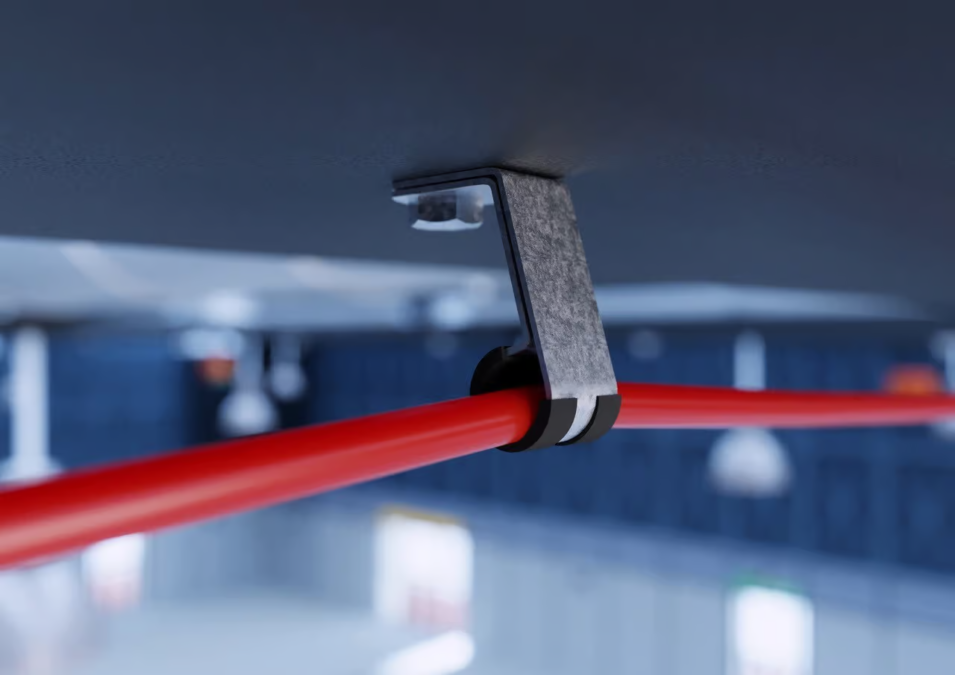
Approved clips and mounting hardware help keep the cable secure while maintaining proper spacing from equipment and structural components. Sharp bends, excessive pulling force, and crushing should always be avoided because they may reduce long-term reliability.
Outdoor installations require protective cable jackets designed to resist moisture, sunlight, chemicals, and temperature changes. Once installation is complete, the entire system should be tested to confirm that alarm signals reach the control panel correctly.
Maintenance and Inspection
Like any fire protection equipment, routine maintenance is important for reliable performance.
Visual inspections should confirm that the cable remains securely mounted and free from cuts, abrasions, or physical damage. Areas near moving machinery or heavy equipment deserve additional attention because accidental impacts may occur.
Functional testing verifies communication between the detection cable, interface modules, and fire alarm control panel. Scheduled inspections should also include electrical connections, support brackets, and associated equipment to ensure the complete system operates as intended.
Maintaining accurate service records helps facility managers demonstrate compliance with fire safety regulations while identifying maintenance needs before they become serious problems.
Advantages Over Point Detectors
Traditional point heat detectors monitor only the area immediately surrounding each device. Protecting long cable trays or conveyor systems often requires many detectors placed at regular intervals.
Continuous heat detection eliminates this limitation by monitoring the entire protected route with a single sensing cable. This approach provides more consistent coverage while reducing installation complexity and maintenance requirements.
For facilities with long linear assets or challenging environments, continuous monitoring often provides a practical and efficient fire detection solution.
Choosing the Right System
Selecting the appropriate product depends on several important factors. Ambient operating temperature determines which activation rating should be chosen. Selecting a temperature that is too low may increase nuisance alarms, while selecting one that is too high could delay fire detection.
Environmental conditions should also be considered carefully. Outdoor installations, chemical plants, food processing facilities, and marine environments often require specialized cable jackets designed for those specific conditions.
Compatibility with the building’s fire alarm control panel is equally important. Most manufacturers offer interface modules that allow integration with conventional and addressable alarm systems while meeting local fire safety standards.
Conclusion
A linear heat detector cable provides dependable fire detection for environments where conventional point detectors may not offer complete protection. Its ability to monitor heat continuously over long distances makes it an ideal solution for warehouses, tunnels, cable trays, conveyor systems, industrial plants, and many other demanding applications.
When properly selected, professionally installed, and maintained according to manufacturer recommendations, this technology delivers reliable performance for many years. As industries continue to improve fire safety standards, continuous heat detection remains one of the most effective ways to protect valuable equipment, infrastructure, and human life from the risks associated with fire.
FAQs
Q: What is a linear heat detector cable?
A: A linear heat detector cable is a fire detection cable that senses heat along its entire length and sends an alarm when the preset temperature is reached.
Q: Where is a linear heat detector cable commonly used?
A: It is widely used in warehouses, tunnels, cable trays, conveyor belts, power plants, and industrial facilities.
Q: How does a linear heat detector cable detect fire?
A: The cable reacts to excessive heat, causing an electrical signal that activates the connected fire alarm system.
Q: What are the main benefits of a linear heat detector cable?
A: It provides continuous heat detection, reliable performance, low maintenance, and excellent protection for long or harsh environments.
Q: Can a linear heat detector cable be installed outdoors?
A: Yes. Many models are designed with weather-resistant jackets, making them suitable for outdoor and demanding industrial applications.
