SOM soil organic matter is one of the most important parts of healthy soil. It supports plant growth, improves soil structure, and helps the land stay productive for many years. Whether you are a farmer, gardener, or simply interested in how soil works, understanding this natural resource can help you make better decisions for long-term soil health.
Healthy soil contains minerals, water, air, and organic materials. While organic matter often makes up only a small percentage of the soil, it has a major influence on fertility, water retention, and biological activity. Building and protecting SOM soil organic matter is considered one of the best ways to improve agricultural productivity and environmental sustainability.
What Is SOM Soil Organic Matter?
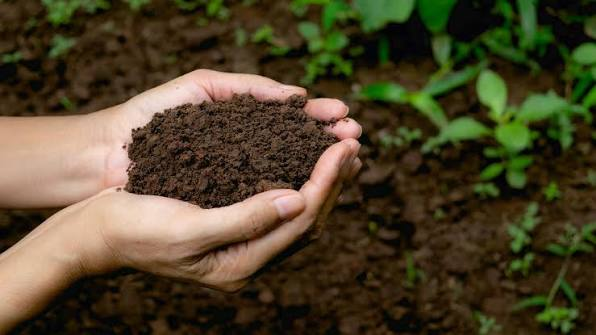
SOM soil organic matter refers to all the organic materials found in soil. It includes decomposing plant residues, animal remains, living organisms such as bacteria and fungi, and stable organic compounds known as humus. These materials continuously break down and recycle nutrients that plants need to grow.
As plants shed leaves and roots or crop residues are left in the field, microorganisms begin the process of decomposition. Over time, this creates humus, a dark, stable material that stores nutrients and improves the overall quality of the soil. Even soils with only a few percent organic matter can support healthy crops when managed properly.
Why Soil Organic Matter Is Important
Healthy soil depends on more than minerals alone. Organic matter acts as the foundation of a living soil ecosystem by supporting microorganisms, insects, and earthworms that naturally recycle nutrients.
It also improves the soil’s physical condition by helping soil particles stick together into stable aggregates. This creates better air spaces for roots while allowing water to move through the soil more efficiently. As a result, plants develop stronger root systems and become more resilient during dry periods.
Another important role of SOM soil organic matter is nutrient storage. Organic matter holds nutrients such as nitrogen, phosphorus, and sulfur until plants can absorb them, reducing nutrient losses caused by rainfall or irrigation.
Benefits for Farmers and Gardeners
Maintaining healthy levels of organic matter provides many practical advantages. Crops often grow more consistently because the soil can retain moisture for longer periods, reducing stress during hot weather.
Organic matter also helps reduce erosion by improving soil stability. Fields with higher organic matter are less likely to lose valuable topsoil during heavy rain or strong winds. This protects both crop productivity and nearby water sources.
In gardens, compost-rich soil becomes easier to dig and supports healthier flowers, vegetables, and trees. Home gardeners often notice improved plant growth after regularly adding compost or other natural organic materials.
How Soil Organic Matter Forms
The formation of organic matter is a slow but continuous natural process. Every season, plants produce leaves, stems, roots, and other materials that eventually return to the soil after they die. Animals and microorganisms also contribute organic materials through waste products and natural decomposition.
Bacteria, fungi, insects, and earthworms break these materials into smaller particles. Some nutrients are released quickly, while the remaining material gradually transforms into stable humus. This humus can remain in the soil for many years, helping improve soil quality over time.
Because decomposition depends on temperature, moisture, and soil conditions, organic matter levels vary across different climates and landscapes.
Ways to Increase SOM Soil Organic Matter
Building healthy soil requires consistent management rather than quick fixes. Adding compost is one of the most effective methods because it introduces stable organic materials along with beneficial microorganisms.
Growing cover crops between planting seasons also protects the soil while adding fresh plant material. Many farmers leave crop residues on the field instead of removing or burning them, allowing those materials to naturally decompose.
Reducing excessive tillage helps preserve soil structure and prevents rapid breakdown of organic matter. Mulching around plants also protects the soil surface, reduces moisture loss, and slowly contributes additional organic material as it decomposes.
Challenges That Reduce Organic Matter
Several farming practices can lower organic matter levels over time. Frequent deep tillage exposes organic materials to more oxygen, speeding up decomposition and reducing long-term soil carbon.
Removing crop residues after harvest also limits the amount of fresh organic material returning to the soil. Soil erosion is another major challenge because it often carries away the nutrient-rich topsoil where most organic matter is found.
Climate conditions also play a role. High temperatures and heavy rainfall can accelerate decomposition, making it more difficult to maintain healthy organic matter levels without careful management.
The Future of Healthy Soil
As agriculture continues to face challenges such as climate change, drought, and declining soil quality, improving organic matter has become a key goal for sustainable farming. Healthy soils not only support higher crop yields but also store carbon, improve biodiversity, and increase resilience against extreme weather.
Researchers continue to study better ways to build soil health through conservation practices, cover cropping, compost use, and reduced soil disturbance. These approaches benefit both food production and the environment by creating stronger, more productive soils.
Conclusion
SOM soil organic matter is much more than decomposed plant material. It is the foundation of healthy soil that supports nutrient cycling, water storage, beneficial microorganisms, and long-term crop productivity. Although it often represents only a small portion of the soil, its impact is enormous.
By using practices such as compost application, cover crops, residue retention, and reduced tillage, farmers and gardeners can steadily improve soil health for future generations. Investing in organic matter today leads to stronger plants, healthier ecosystems, and more sustainable agriculture tomorrow.
FAQs
Q: What is SOM soil organic matter?
A: SOM soil organic matter is the natural organic material in soil made from decomposed plants, animals, microbes, and humus.
Q: Why is SOM soil organic matter important?
A: SOM soil organic matter improves soil fertility, holds moisture, supports beneficial microbes, and promotes healthy plant growth.
Q: How can I increase SOM soil organic matter?
A: Add compost, grow cover crops, leave crop residues, use mulch, and reduce excessive tillage to build organic matter.
Q: Does SOM soil organic matter help crops grow better?
A: Yes. SOM soil organic matter improves nutrient availability, strengthens root development, and increases water retention for healthier crops.
Q: What happens when SOM soil organic matter is low?
A: Low SOM soil organic matter can lead to poor soil structure, reduced fertility, lower water-holding capacity, and weaker plant growth.
