
The Raid on Pebble Island was one of the most effective special forces operations of the Falklands War. In search terms, the Raid on Pebble Island remains a clear example of how a small, well-planned mission can have a major strategic impact. Carried out on the night of 14–15 May 1982, it was led by the British Special Air Service (SAS) and aimed at destroying Argentine aircraft stationed on Pebble Island, a small but strategically important location in the Falkland Islands. Though the raid lasted only a few hours, its impact was far greater than its size. It weakened Argentine air power, boosted British confidence, and showed how careful planning and surprise could change the course of a military campaign.
At the time, British forces were preparing for the main amphibious landings that would begin the effort to retake the islands. Argentine aircraft on Pebble Island posed a serious threat because they could carry out reconnaissance missions and attack British ships. Military commanders understood that removing these aircraft before the landings would reduce danger to the fleet and improve the chances of success. The Raid on Pebble Island achieved that goal and became one of the most famous SAS missions of the war.
The Situation Before the Raid
The Falklands War began in April 1982 after Argentina occupied the Falkland Islands, a British Overseas Territory in the South Atlantic. Britain responded by sending a naval task force to recover the islands, but commanders knew that success would depend on reducing Argentine military strength before launching ground operations.
Pebble Island, located northwest of West Falkland, had become an important Argentine position. A small airstrip on the island was being used by aircraft for reconnaissance, light attack, and troop support. Although these planes were not large fighter aircraft, they were still capable of threatening British ships and providing useful intelligence to Argentine forces.
British reconnaissance confirmed that the airfield was a real tactical danger. As a result, planners selected it as the target for a special forces raid designed to destroy the aircraft and disrupt Argentine operations before the main invasion began.
| Detail | Information |
|---|---|
| Name | Raid on Pebble Island |
| Type | Military Operation |
| Date | 14–15 May 1982 |
| Location | Pebble Island, Falkland Islands |
| Conflict | Falklands War |
| Conducted By | British Special Air Service (SAS) |
| Opposing Force | Argentine Military |
| Objective | Destroy Argentine aircraft and reduce air threat |
| Outcome | British Victory |
| Historical Significance | Helped support the British landings during the Falklands War |
| Age | Not Applicable (Historical Event) |
| Family | Not Applicable |
| Height | Not Applicable |
| Net Worth | Not Applicable |
| Social Media | None |
Planning the Mission
The success of the Raid on Pebble Island depended heavily on planning. Intelligence was gathered through aerial reconnaissance, satellite imagery, and reports from observation teams. This information helped identify the location of the aircraft, fuel supplies, defensive positions, and possible helicopter landing zones.
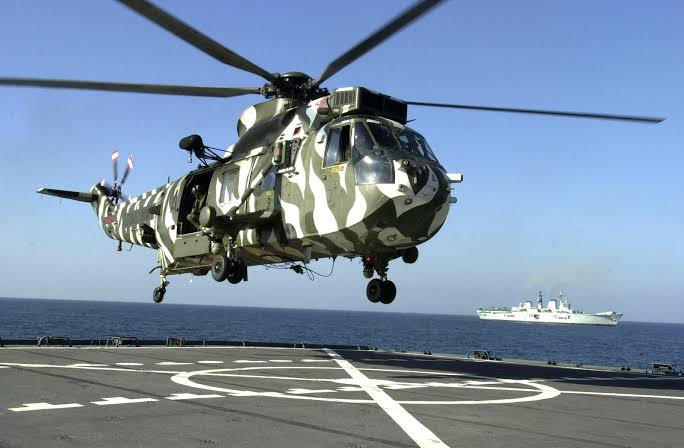
The SAS prepared the mission in detail. The assault team would travel by Sea King helicopters from Royal Navy ships under the cover of darkness. After landing, the soldiers would move quietly toward the airfield, place explosive charges on the aircraft, and withdraw before Argentine reinforcements could respond.
Every part of the mission required precision. The soldiers rehearsed their roles and understood that speed, discipline, and surprise would matter more than numbers. The operation was designed to strike quickly and leave before the enemy could organize an effective defense.
The Night of the Attack
On the evening of 14 May 1982, around forty-five SAS soldiers were flown toward Pebble Island in Sea King helicopters. Flying at low altitude helped reduce the chance of detection by Argentine radar. Once the helicopters landed, the troops moved across rough ground in silence, keeping close formation and avoiding unnecessary noise.
When they reached the airfield, the soldiers placed explosive charges on the parked aircraft. The charges were carefully positioned to cause maximum damage and ensure the planes could not be repaired quickly. Once the explosives were set, the demolition phase began.
At nearly the same time, the Royal Navy destroyer HMS Glamorgan opened fire on nearby Argentine defensive positions. This naval bombardment helped distract enemy troops and prevented them from mounting a coordinated response while the aircraft were being destroyed.
Within a short time, the mission had been completed. The SAS withdrew to the extraction point and returned by helicopter before Argentine forces could react effectively.
Results of the Operation
The Raid on Pebble Island destroyed eleven Argentine aircraft, including light attack planes and reconnaissance aircraft that had been operating from Pebble Island. Fuel stores and other military equipment were also damaged, reducing the island’s usefulness as a forward base.
British casualties were very light, with only a small number of soldiers suffering minor injuries. Considering the scale of the destruction achieved, the Raid on Pebble Island was widely regarded as a major success.
By removing these aircraft, the British reduced the threat to their ships during the planned landings at San Carlos a few days later. This gave commanders greater confidence as the campaign moved into its next phase.
Strategic Importance
The importance of the Raid on Pebble Island went far beyond the destruction of aircraft. It showed how a small, highly trained force could influence a much larger military campaign by targeting key enemy assets.
Instead of engaging in a long battle, the SAS focused on disabling resources that supported Argentine operations. This approach weakened the enemy while avoiding unnecessary casualties. The mission also demonstrated the value of cooperation between different branches of the armed forces, including the SAS, Royal Navy, helicopter crews, and intelligence specialists.
Military analysts still study the Raid on Pebble Island because it remains a strong example of precision planning, rapid execution, and effective use of limited resources.
Lessons from the Raid
Several important lessons came from the operation. Accurate intelligence was essential because it allowed commanders to understand the layout of the airfield before the assault. Careful planning ensured that every soldier knew his role, reducing confusion during the attack.
The raid also showed the power of surprise. By striking at night and withdrawing quickly, the SAS prevented Argentine forces from mounting an effective defense.
Another lesson was the importance of joint operations. The close coordination between naval gunfire, helicopter transport, and ground troops showed how different military units can work together to achieve a shared objective.
Legacy
More than forty years later, the Raid on Pebble Island is still remembered as one of the defining operations of the Falklands War. Military academies often study it as an example of successful special operations planning and execution.
Historians have written extensively about the Raid on Pebble Island, and veterans have shared firsthand accounts that reveal the challenges faced by the soldiers involved. Books, documentaries, and military studies continue to highlight the mission because of its strategic importance and professional execution.
Although small in scale, the Raid on Pebble Island had an influence that reached far beyond Pebble Island itself. By removing an important Argentine air threat, it helped create better conditions for the British landings and supported the wider campaign to retake the Falkland Islands.
Final Thought
The Raid on Pebble Island remains a powerful reminder that in war, success is not always measured by the size of a force, but by the quality of its planning, discipline, and execution. The SAS achieved a result that had lasting strategic value, proving that a carefully designed mission can shape the outcome of an entire campaign.
